
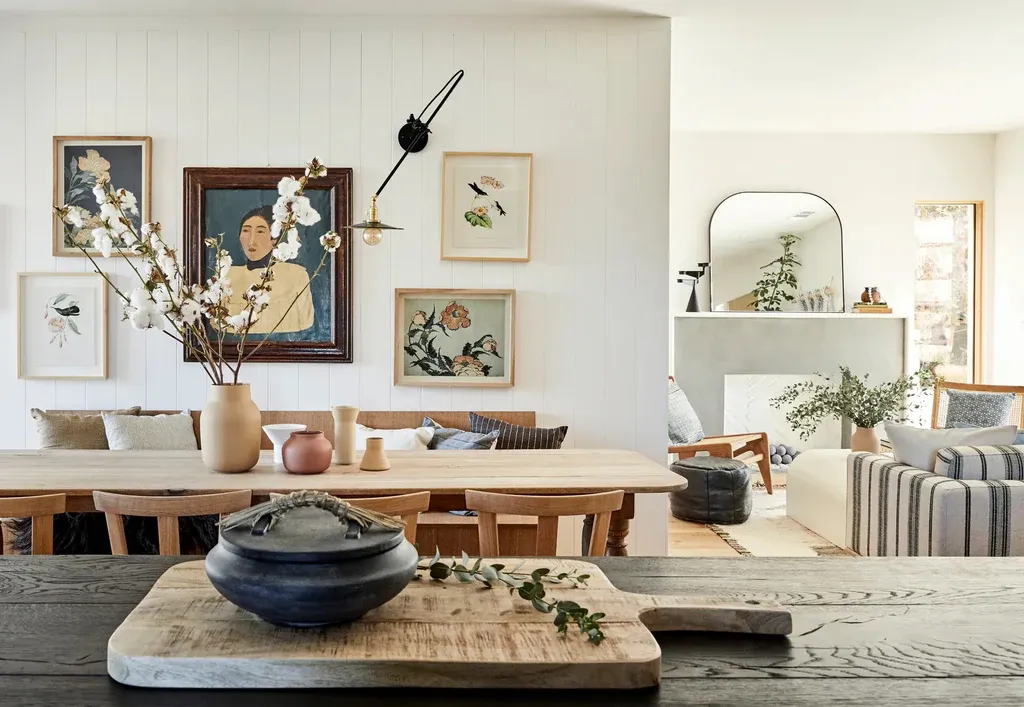
Japandi-style furniture trends are shaping the way modern homes look and feel by quietly blending two design philosophies that value simplicity, balance, and purpose. This style doesn’t shout for attention. Instead, it invites you in, slows you down, and makes everyday living feel intentional. Homes designed with Japandi furniture often feel calmer the moment you step inside, as if the space itself encourages mindful living.
The growing popularity of Japandi isn’t accidental. As people spend more time at home, they want spaces that feel peaceful, practical, and emotionally grounding. Japandi furniture answers that need by combining Japanese minimalism with Scandinavian comfort in a way that feels natural rather than curated.
Understanding the Roots of Japandi Design
Japandi is a fusion of Japanese and Scandinavian design principles. From Japan comes wabi-sabi, the appreciation of imperfection, craftsmanship, and natural aging. From Scandinavia comes hygge, a focus on warmth, comfort, and livability. Together, they form a style that is both refined and welcoming.
Designers with years of experience often point out that Japandi is less about trends and more about values. Furniture is chosen carefully, not to fill space, but to serve a purpose. This approach aligns well with modern lifestyles that prioritize quality over quantity.
The authority of Japandi design comes from its cultural depth. Both Japanese and Scandinavian traditions have long histories of craftsmanship, sustainability, and functional beauty.
Why Japandi Furniture Feels Right for Modern Living
Modern life is busy, noisy, and overstimulating. Japandi interiors offer a visual pause. Furniture pieces are low-profile, uncluttered, and thoughtfully placed. This simplicity creates mental clarity, especially in urban homes.
Japandi furniture trends also support flexible living. A solid wood table can function as a workspace during the day and a dining table at night. Sofas are comfortable but not oversized, leaving room to breathe.
Homeowners often report feeling less stressed in Japandi-inspired spaces. This emotional response is one reason designers continue recommending the style for long-term comfort rather than short-lived fashion.
Japandi-style furniture trends in Living Rooms
Living rooms are often the heart of a home, and Japandi furniture transforms them into calm gathering spaces. Low wooden sofas with clean lines anchor the room without dominating it. Natural fabrics like linen and cotton add softness without visual clutter.
Coffee tables are usually simple, often handcrafted, with visible wood grain. Storage pieces blend seamlessly into the background, avoiding flashy hardware or unnecessary ornamentation.
Real-life projects show that Japandi living rooms age beautifully. Even after years of use, the furniture develops character rather than looking worn out.
Material Choices That Define Japandi Furniture
Materials play a central role in Japandi furniture design. Solid wood, especially oak, ash, and walnut, is widely used for its durability and warmth. Bamboo and rattan appear subtly, adding texture without overwhelming the space.
Finishes are typically matte, allowing materials to look honest and natural. Painted surfaces lean toward muted tones like beige, greige, soft gray, and warm white.
Experienced designers emphasize that these material choices are not decorative decisions but functional ones. Natural materials regulate temperature, age gracefully, and feel better to the touch.
Bedrooms Designed for Rest and Balance
Japandi bedrooms focus on rest above all else. Beds are low, often inspired by Japanese floor-level sleeping arrangements. This creates a grounded feeling and improves visual balance in the room.
Nightstands are minimal, sometimes just a floating wooden shelf. Wardrobes and storage units avoid glossy finishes, keeping the atmosphere calm and uncluttered.
Homeowners often describe better sleep quality in Japandi bedrooms. The absence of visual noise supports relaxation and mental rest.
Dining Spaces That Encourage Connection
Dining areas in Japandi homes feel intimate and purposeful. Tables are sturdy, often handcrafted, and built to last. Chairs prioritize comfort but remain visually light.
Lighting above dining tables is soft and focused, drawing attention to the meal and conversation rather than the surroundings. This reflects Japanese dining traditions and Scandinavian family-centered living.
Designers with cultural expertise note that Japandi dining spaces naturally encourage slower meals and deeper conversations.
Japandi-style furniture trends and Sustainability
Sustainability is a core value within Japandi design. Furniture is chosen for longevity, not seasonal replacement. This reduces waste and supports responsible consumption.
Many Japandi furniture brands focus on ethical sourcing and traditional craftsmanship. These practices reflect authority and trustworthiness within the design industry.
Homeowners who invest in Japandi furniture often find they buy less over time, valuing repair and care instead of replacement.
Storage Solutions That Feel Invisible
Storage in Japandi interiors is subtle. Cabinets blend into walls, and shelving is sparse. The goal is to store essentials without drawing attention.
This approach encourages mindful ownership. If something doesn’t have a clear place, it may not belong in the space.
Design experts often highlight this as one of the most transformative aspects of Japandi living. Less visible clutter leads to more mental clarity.
Japandi Furniture in Small Apartments
Japandi works exceptionally well in small homes. Low furniture visually expands vertical space, making rooms feel larger. Neutral colors reflect light and reduce visual congestion.
Multi-functional furniture is common. A bench may serve as seating, storage, and display. This flexibility aligns perfectly with compact urban living.
Real-life apartment makeovers consistently show Japandi interiors feeling more spacious and breathable than before.
Craftsmanship and Detail Over Decoration
Japandi furniture avoids excessive decoration. Instead, it celebrates craftsmanship. Joinery, wood grain, and subtle curves become the focal points.
This design philosophy rewards close attention. The more time you spend in a Japandi space, the more details you notice.
This depth of design reflects experience and expertise, qualities that define long-lasting interior styles.
Japandi-style furniture trends in Home Offices
With remote work becoming common, Japandi furniture has found a strong place in home offices. Desks are simple, sturdy, and free from unnecessary compartments.
Chairs focus on ergonomic comfort without visual heaviness. Storage remains minimal to support focus and productivity.
Professionals working from Japandi-inspired offices often report reduced fatigue and improved concentration.
Color Palettes That Support Calm
Japandi color palettes are restrained but warm. Earth tones dominate, including sand, clay, stone, and charcoal. These colors create a sense of grounding.
Dark accents appear occasionally to add contrast, often through furniture legs or frames. This balance prevents the space from feeling flat.
Designers with long-term experience stress that these palettes age well and adapt easily to changing accessories.
Cultural Respect and Design Integrity
Japandi is not about copying Japanese or Scandinavian styles superficially. It requires respect for both traditions. Authentic Japandi furniture honors cultural origins while adapting them for modern living.
This integrity is what separates genuine Japandi design from mass-produced imitations. Trustworthy brands and designers prioritize authenticity over trend-chasing.
Consumers increasingly value this honesty, aligning purchasing decisions with deeper values.
The Role of Light in Japandi Interiors
Natural light is essential in Japandi spaces. Furniture placement supports light flow rather than blocking it. Curtains are light and breathable.
Artificial lighting complements this approach with warm tones and soft diffusion. Lamps often become sculptural elements without overpowering the room.
Lighting designers emphasize that Japandi lighting supports natural rhythms, enhancing comfort throughout the day.
Emotional Benefits of Japandi Living
Japandi furniture does more than look good. It supports emotional well-being. Calm environments help reduce stress and encourage mindful routines.
Many homeowners describe a stronger connection to their homes after adopting Japandi interiors. Spaces feel more personal and less performative.
This emotional resonance reflects the human-centered nature of Japandi design.
Longevity Over Trends
Trends fade, but Japandi furniture remains relevant because it is rooted in timeless principles. Simplicity, functionality, and natural beauty do not expire.
Designers often recommend Japandi for clients seeking long-term satisfaction rather than seasonal updates.
This longevity reinforces trust and authority within the design community.
Blending Japandi With Existing Interiors
Japandi furniture integrates easily into existing homes. A single wooden table or low-profile sofa can shift the tone of a room.
Design experts advise starting small, allowing the space to evolve naturally. Over time, the Japandi philosophy influences other design choices organically.
This gradual approach makes Japandi accessible and sustainable.
Experience-Driven Design Choices
Experienced designers often say Japandi is felt more than seen. The comfort of materials, the quietness of spaces, and the ease of movement define the experience.
These qualities come from years of design evolution, not marketing trends.
Homeowners benefit from this depth, enjoying spaces that feel right rather than just stylish.
Trust Built Through Daily Use
Trust in Japandi furniture grows with time. Pieces become part of daily routines, aging gracefully and gaining character.
Scratches and patina are not flaws but signs of life. This acceptance reflects Japanese aesthetics and Scandinavian practicality.
Users often form emotional attachments to Japandi furniture, valuing it beyond monetary cost.
Japandi-style furniture trends as a Lifestyle Choice
Choosing Japandi furniture often leads to broader lifestyle changes. People simplify belongings, slow down routines, and become more intentional.
This ripple effect extends beyond interiors into daily habits and mindset.
Designers recognize this influence and often describe Japandi as a lifestyle rather than a look.
Authority, Expertise, and Enduring Appeal
The authority of Japandi design lies in its consistency. It delivers comfort, beauty, and function without excess.
Experts across cultures continue to support Japandi principles because they work across climates, home sizes, and lifestyles.
This widespread trust ensures Japandi furniture remains relevant in evolving design landscapes.
Living With Less, Living With Meaning
Japandi interiors remind us that less can be more when chosen thoughtfully. Furniture becomes supportive rather than dominant.
Spaces feel balanced, not empty. Every piece has a reason to exist.
Through its calm presence and purposeful design, Japandi-style furniture trends continue to reshape modern homes into places of quiet strength and lasting comfort.