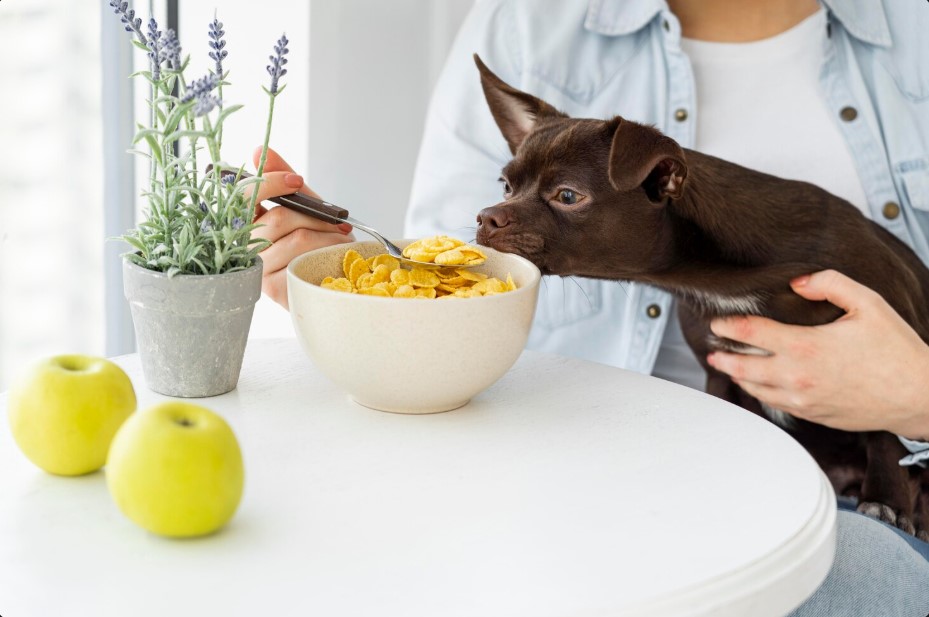
The first year of a puppy’s life is filled with rapid growth, learning, and development. During this important stage, proper nutrition plays a major role in building strong bones, healthy muscles, a strong immune system, and lifelong wellness.
Choosing the right puppy dog food can feel overwhelming. With countless brands and formulas available, many pet owners wonder which option truly delivers the nutrition their growing companion needs.
The good news is that understanding a few key nutritional principles can make the decision much easier. Whether you’re searching for the best dog food for puppies, evaluating puppy dog food, or looking for specialized Large breed puppy food, this guide will help you make informed feeding choices.
Why Proper Puppy Nutrition Matters
Puppies grow at an incredible pace compared to adult dogs.
During the first several months of life, they require additional nutrients to support:
-
Bone development
-
Muscle growth
-
Brain function
-
Immune system development
-
Healthy organs
-
Energy needs
Feeding a diet designed specifically for puppies helps ensure they receive the proper balance of nutrients needed for healthy development.
A high-quality puppy dog food provides building blocks that support both short-term growth and long-term health.
What Makes Puppy Dog Food Different?
Many new pet owners wonder why puppies can’t simply eat adult dog food.
The answer lies in nutritional requirements.
Puppies need higher levels of certain nutrients because their bodies are actively growing.
Quality puppy dog food generally contains:
-
Higher protein levels
-
Increased calorie density
-
Essential fatty acids
-
Balanced minerals
-
DHA for brain development
Adult dog food is formulated for maintenance, while puppy food is designed to support growth and development.
This distinction becomes especially important during the first year of life.
Essential Nutrients Every Puppy Needs
High-Quality Protein
Protein is one of the most important nutrients for growing puppies.
It helps support:
-
Muscle development
-
Tissue repair
-
Healthy growth
-
Immune function
Common protein sources include:
-
Chicken
-
Turkey
-
Beef
-
Lamb
-
Salmon
When evaluating the best dog food for puppies, quality protein should be a top priority.
Healthy Fats
Healthy fats provide concentrated energy and support development.
Benefits include:
-
Brain function
-
Eye health
-
Skin condition
-
Coat quality
Fish oil and flaxseed are common sources of beneficial fatty acids.
DHA for Brain Development
DHA is an omega-3 fatty acid that supports cognitive development.
Many premium puppy dog food formulas include DHA to help support:
-
Learning
-
Memory
-
Training responsiveness
-
Visual development
Calcium and Phosphorus
These minerals help build strong bones and teeth.
The balance between calcium and phosphorus is especially important during growth.
Proper mineral levels support healthy skeletal development while reducing unnecessary stress on developing bones.
How to Choose the Best Dog Food for Puppies
Selecting the best dog food for puppies requires more than reading marketing claims on a package.
Consider the following factors.
Life-Stage Formulation
Choose a food specifically labeled for puppies or growth.
These products are formulated to meet the nutritional requirements of developing dogs.
Ingredient Quality
Look for formulas containing:
-
Real meat proteins
-
Healthy fats
-
Whole-food ingredients
-
Essential vitamins and minerals
Breed Size
Small, medium, and large breeds often have different nutritional needs.
A Chihuahua puppy and a Great Dane puppy grow at dramatically different rates.
Digestibility
Highly digestible ingredients help puppies absorb nutrients efficiently and support healthy digestion.
Understanding Large Breed Puppy Food Requirements
Large-breed puppies require special nutritional attention.
Breeds such as:
-
Labrador Retriever
-
German Shepherd
-
Golden Retriever
-
Great Dane
-
Rottweiler
often benefit from specially formulated Large breed puppy food.
Why Large Breed Puppies Need Specialized Nutrition
Large breeds grow rapidly and continue developing for a longer period.
Improper nutrition may contribute to excessive growth rates that place additional stress on developing bones and joints.
Quality Large breed puppy food is designed to provide:
-
Controlled calorie levels
-
Balanced calcium and phosphorus
-
Joint-support nutrients
-
Appropriate protein levels
These formulas help encourage steady, healthy growth.
Joint Support Matters
Large dogs carry more body weight throughout life.
Providing proper nutrition during puppyhood helps establish a strong foundation for future mobility and joint health.
Is Puppy Dog Food a Good Option?
Many pet owners are familiar with puppy dog food because it has been available for decades.
When evaluating any puppy dog food, focus on:
-
Nutritional completeness
-
Ingredient quality
-
Life-stage appropriateness
-
Your puppy’s individual response
Every puppy is unique.
Some puppies thrive on one formula, while others may do better with a different recipe based on activity level, breed, and digestive sensitivity.
The key is selecting a food that provides complete and balanced nutrition while supporting healthy growth.
Feeding Guidelines by Age
A puppy’s feeding schedule changes as they grow.
8 to 12 Weeks
Most puppies benefit from four meals per day.
Frequent meals help support energy needs and healthy growth.
3 to 6 Months
Many puppies transition to three meals daily.
6 to 12 Months
Most puppies can move to two meals per day.
After One Year
Many dogs transition to adult food and continue eating two meals daily.
Always follow the feeding guidelines provided by the manufacturer and adjust portions based on your puppy’s body condition and activity level.
Common Puppy Feeding Mistakes to Avoid
Overfeeding
Many owners assume that more food equals healthier growth.
In reality, excessive calories can contribute to unhealthy weight gain and developmental concerns.
Feeding Adult Dog Food Too Early
Puppies require nutrients specifically formulated for growth.
Switching too early may result in nutritional imbalances.
Too Many Treats
Treats should only make up a small portion of daily calorie intake.
Frequent Food Changes
Constantly switching foods may lead to digestive upset.
Choose a quality puppy dog food and allow time to evaluate results.
Ignoring Breed Size
Large breeds often require different nutritional management than smaller dogs.
Selecting appropriate Large breed puppy food can help support healthy development.
Signs Your Puppy Is Thriving
A well-fed puppy typically displays several positive signs.
Look for:
-
Healthy weight gain
-
Bright eyes
-
Consistent energy
-
Healthy digestion
-
Strong muscle development
-
Shiny coat
-
Healthy skin
-
Good appetite
These indicators suggest your puppy is receiving balanced nutrition.
The Importance of Fresh Water
Nutrition extends beyond food alone.
Fresh, clean water should always be available.
Proper hydration supports:
-
Digestion
-
Circulation
-
Temperature regulation
-
Nutrient transport
Even the best dog food for puppies works best when combined with adequate hydration.
Give Your Puppy the Best Start in Life
The food you choose today can influence your puppy’s health for years to come. A high-quality puppy dog food provides the nutrients needed to support growth, development, and overall well-being during one of the most important stages of life.
Whether you’re researching the best dog food for puppies, comparing puppy dog food, or selecting specialized large-breed puppy food, focus on balanced nutrition, quality ingredients, and your puppy’s individual needs.
A strong nutritional foundation helps build strong bodies, healthy habits, and happy lives. Investing in proper puppy nutrition now is one of the most valuable gifts you can give your growing companion.
FAQs
1. When should puppies start eating puppy dog food?
Most puppies begin transitioning to puppy food during the weaning process, usually around 4 to 8 weeks of age.
2. How long should a dog stay on puppy food?
Most dogs remain on puppy food until about 12 months of age, although large breeds may require puppy formulas for a longer period.
3. What is the best dog food for puppies?
The best choice depends on breed size, activity level, health needs, and ingredient quality. Look for complete and balanced puppy formulas.
4. Why is Large breed puppy food different?
Large-breed formulas are designed to support controlled growth and healthy bone development through carefully balanced nutrition.
5. Is puppy dog food suitable for growing puppies?
Many puppy dog food formulas are designed to provide complete and balanced nutrition for puppies. Always review ingredients, nutritional information, and your puppy’s individual needs when selecting a food.