
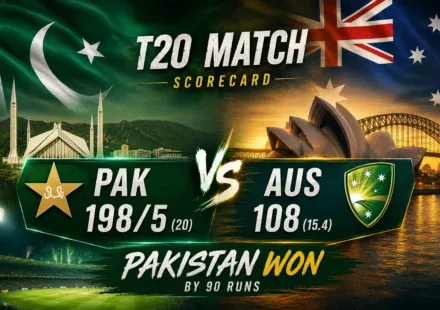
A cricket scorecard records many details that are easy to miss while watching the match. cricketscore.it.com gives readers another place to explore cricket scores, player figures, innings details, and useful match statistics. The final result tells you which side finished ahead, but the scorecard explains how that result developed. Runs, wickets, overs, extras, partnerships, bowling figures, and individual dismissals all add different pieces of information. Some numbers become important only when they are compared with the match situation. This is why reading a scorecard properly can make even a familiar cricket match much easier to understand. You can often find the important turning points simply by looking carefully at how the numbers changed.
Begin With Match Information
Before reading individual statistics, check the basic information shown at the top of the scorecard. This normally includes the teams, competition, venue, date, and match format. These details matter because a Test match requires a different interpretation from a T20 match. The number of available overs, innings, and tactical possibilities changes according to the format. The venue can also provide useful context because pitches and weather conditions may affect scoring patterns. Knowing whether the match is part of a series or tournament can also explain why teams make certain selections. A scorecard becomes easier to interpret when you understand what kind of match produced those numbers in the first place.
Check The Toss Information
The toss can provide useful background before you start examining the innings. One team usually chooses whether to bat or field first after winning the toss, depending on the competition rules and match circumstances. The decision itself does not guarantee a particular result, but it can explain the order in which the teams appeared on the scorecard. Weather, pitch conditions, and expected changes during the match may influence such decisions. In longer matches, teams can also consider how the surface might behave later. Looking at the toss information gives a small amount of context before the first delivery is even considered. It also helps readers understand why one particular team started the innings.
Read The Opening Scores
The first few overs can tell you how the innings began, especially in limited overs cricket. Opening batters may score cautiously while assessing the conditions, or they may attack early when the situation allows. The opening bowling figures can show whether the bowlers created pressure or allowed easy scoring. A low score after several overs does not automatically indicate a poor innings because wickets in hand can remain valuable. Likewise, a fast start does not guarantee a large final total because wickets can change the situation quickly. Scorecards allow readers to compare early scoring with later developments. This makes the opening period useful when trying to understand the overall shape of an innings.
Follow Middle Overs Closely
Middle overs can become difficult to understand because the scoring pace may change gradually rather than through one obvious event. Batters often rotate the strike, look for boundaries, and manage wickets according to the remaining overs. Bowlers may use different styles during this period, especially when teams introduce spin or change their attack. A team scoring steadily during the middle overs can create a strong platform for a later acceleration. Another team may lose several wickets and struggle to rebuild the innings. Looking at runs, wickets, and overs together helps explain which situation developed. The middle section often provides important clues about why the final total became what it was.
Notice Final Over Scoring
The final overs can significantly change an innings total, especially in T20 and One Day International cricket. Batters often attempt more aggressive shots because only a limited number of deliveries remain. Bowlers may also change their approach by using different variations and defensive field settings. A team can add a substantial number of runs during these final overs even after a slow middle period. The scorecard may show the final individual scores and overall total, but detailed over information can reveal how quickly the innings finished. Comparing the final overs with the earlier scoring rate can explain whether the team accelerated successfully. This becomes particularly useful when two teams finish with relatively similar totals.
Look Beyond Top Scorers
The highest individual score naturally receives attention, but it does not always represent the entire batting effort. A team may have several players contributing moderate scores while one batter remains unbeaten near the end. Another innings might depend heavily on one large contribution while the remaining batters struggle. Looking at the complete batting section can show whether scoring was distributed or concentrated. Balls faced, boundaries, and dismissal information add more context to each contribution. Lower-order runs can also become important when they arrive during a difficult stage of the innings. Reading the entire batting card prevents one impressive score from hiding the work done by other players.
Understand Unbeaten Innings
An unbeaten score can sometimes provide useful information about how an innings ended. A batter who remains not out has stayed at the crease when the innings finished because the team reached its target, used all available overs, or lost the required number of wickets around that player. The meaning depends on the match situation. An unbeaten 60 during a successful chase may represent controlled finishing, while an unbeaten lower score during a collapse may simply reflect that no partner remained. The not-out symbol therefore deserves some attention when reading batting figures. It tells readers something about how the player’s innings ended, even when the final number looks ordinary.
Study Wicket Timing
The timing of wickets can change the entire interpretation of an innings. Losing an early wicket may create pressure before the batting side has established itself. Losing wickets during the middle overs can prevent acceleration and force new batters to rebuild. Late wickets can have a smaller effect if the team already has a strong total, although they may still influence the final few overs. The fall of wickets section provides useful information about these moments. Readers can compare the score at each dismissal with the following partnership to see whether the team recovered. This creates a clearer picture of momentum than simply counting the final number of wickets.
Compare Bowling Partnerships
Bowling is also based on combinations, even though scorecards usually list each bowler separately. Two bowlers can work together by creating pressure from opposite ends of the pitch. One may attack the stumps while another limits scoring through tight lines and lengths. Their individual figures can therefore become more meaningful when considered during the same phase of the innings. A bowler with fewer wickets may still contribute significantly if their spell prevents easy scoring. Looking at overs, runs conceded, wickets, and economy together can reveal these contributions. Bowling partnerships become particularly interesting when a team successfully restricts a strong batting lineup without relying on one exceptional individual spell.
Check Catching Records
Fielding information can provide useful details beyond batting and bowling. Catches, stumpings, and run outs appear in different parts of many scorecards and help explain how wickets were completed. A catch may involve excellent positioning or a difficult reaction, while a run out can result from quick fielding and accurate throwing. These contributions do not always receive the same attention as runs and wickets, but they can influence important moments. A scorecard cannot explain every detail of a fielding effort, yet it records who completed certain dismissals. Checking these figures can therefore help readers notice contributions that might otherwise disappear from the final result.
Understand Extra Runs
Extras can become surprisingly important when two teams finish with similar totals. Wides and no balls can add runs while also providing additional scoring opportunities through extra deliveries. Byes and leg byes contribute to the team total without adding runs to individual batter statistics. A high extras figure may indicate difficulties with bowling control or specific match conditions. However, the number should be considered alongside the innings situation rather than treated automatically as a sign of poor performance. Comparing extras between both teams can sometimes reveal a small difference that becomes important in a close match. The scorecard provides this information clearly when readers know where to look.
Compare Required And Actual Rates
During a chase, the relationship between the required run rate and actual scoring rate can reveal how comfortable or difficult the situation became. If the chasing side scores faster than the required pace, the target can gradually become easier to reach. When the actual scoring rate falls below the required rate, pressure can increase as fewer deliveries remain. Wickets also need to be considered because losing batters can reduce the available resources. A team may therefore maintain a high scoring rate while still facing difficulty because several wickets have already fallen. Looking at these figures together gives a more realistic picture of the chase than focusing only on the target.
Read The Result Carefully
The final result is usually displayed clearly, but the wording can provide important information about how the match ended. A team may win by runs when batting first, while a successful chase can be described through wickets remaining. In longer formats, results can involve an innings margin or other specific wording. A match can also end in a tie, draw, no result, or abandonment depending on the format and circumstances. Understanding the result wording helps readers connect the final outcome with the scorecard figures. It also prevents confusion when comparing matches that ended through completely different situations.
Use Player Figures In Context
Player statistics become more useful when they are connected with the circumstances in which they were produced. A batter scoring quickly against a strong bowling attack may have faced a different challenge from someone scoring slowly on an easy pitch. A bowler taking several wickets on a helpful surface may have had different responsibilities from one bowling during a high-scoring match. Numbers do not explain every detail by themselves. The scorecard provides the basic evidence, while match context helps readers understand what those figures actually mean. This approach also makes comparisons between players more careful and realistic.
Compare Different Match Formats
Scorecards should always be interpreted according to the format being played. Test matches include longer innings, multiple batting opportunities, and different strategic pressures compared with limited overs cricket. One Day Internationals provide a fixed number of overs, while T20 matches require much faster decisions because the innings is significantly shorter. Strike rates, economy rates, scoring patterns, and player roles can therefore carry different meanings. A batter’s approach in a Test cannot simply be judged using the same expectations used for a T20 innings. Format awareness is one of the easiest ways to avoid misleading scorecard comparisons.
Conclusion
A cricket scorecard can reveal much more than the winner and final total when its different sections are read together. Batting contributions, wicket timing, partnerships, bowling combinations, fielding dismissals, extras, scoring rates, and result details all provide useful information about how the match developed. cricketscore.it.com can provide additional cricket information for readers interested in scorecards, player performances, innings statistics, and match details. The most useful habit is checking numbers within their proper format and match context. Once these basic relationships become familiar, scorecards stop looking like crowded tables and start becoming clear records of what happened during the game.
Read also :-
england cricket team vs australian men’s cricket team timeline