
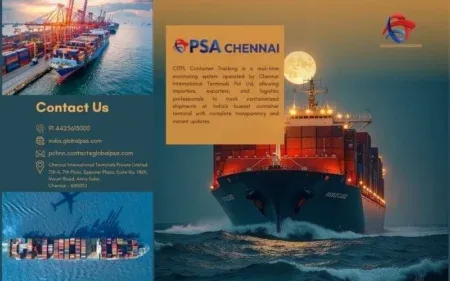
Global shipping keeps businesses connected, but managing cargo becomes much easier when every shipment can be monitored from departure to delivery. acouriertracker.com makes it simpler to check container movement, helping businesses and individuals stay informed throughout the shipping process. Whether goods are travelling to a neighbouring country or crossing several continents, reliable tracking information allows better planning and reduces unnecessary uncertainty.
Every international shipment follows a planned route, yet no two journeys are exactly the same. Some containers move quickly through ports, while others spend extra time waiting for customs clearance or vessel connections. Understanding how tracking works helps businesses react to changes without making rushed decisions or interrupting normal operations.
What Container Tracking Means
Container tracking is the process of following a shipping container during its entire transportation journey. Every container receives a unique identification number that stays with it from the moment the cargo is loaded until it reaches its destination.
This number allows shipping companies, logistics providers, and customers to identify the container regardless of where it is travelling. When entered into a tracking platform, the system displays available updates showing the latest recorded movement.
Unlike courier deliveries, container shipments usually involve fewer tracking events because ocean transport covers long distances without frequent operational checkpoints. New updates normally appear only when the container reaches an important stage of the journey.
Knowing this helps users understand why tracking information does not change every day.
How Containers Travel
A shipping container often uses more than one type of transport before reaching the customer. The journey may begin with a truck collecting cargo from a factory before delivering it to a container terminal.
After arriving at the port, the container waits until it is loaded onto a cargo vessel. Once the ship reaches the destination country, the container is unloaded, processed through customs, and transferred to another truck or train for inland transportation.
Each movement creates valuable shipment information that becomes part of the tracking history. These updates help businesses understand where their cargo has been and what stage remains before final delivery.
The complete process may take several weeks depending on the destination and shipping route.
Why Businesses Monitor Shipments
Shipment tracking has become an important part of business planning because inventory often depends on international deliveries arriving at the right time.
Retail companies monitor incoming products so stores remain stocked with popular items. Manufacturers rely on imported materials to keep production running without interruptions. Distributors schedule deliveries after containers leave the destination terminal.
Without accurate shipment visibility, businesses may struggle to prepare warehouses, organise transport, or communicate realistic delivery expectations to customers.
Tracking also reduces unnecessary follow-up calls between suppliers, freight forwarders, and buyers because everyone can review the latest shipment information independently.
Good visibility supports better decision-making throughout the supply chain.
Understanding Tracking Updates
Tracking systems display different shipment events as containers move through ports and transportation networks. While wording may vary slightly between carriers, most updates follow a similar sequence.
An export gate-in update usually confirms that the container has entered the departure terminal. A loaded on vessel status means the container has been placed aboard the assigned cargo ship.
When the vessel leaves the port, the tracking information normally changes to vessel departed. During the sea journey, updates often remain unchanged until the ship arrives at another operational checkpoint.
After reaching the destination country, users generally see updates for port arrival, customs clearance, terminal handling, and inland transportation before the shipment is finally delivered.
Understanding these events makes tracking much easier.
Reasons Tracking Slows
Many users become concerned when shipment updates stop appearing for several days. In reality, this happens quite often during international shipping.
Ocean voyages usually involve long periods where vessels continue travelling without creating additional tracking events. The shipment remains in transit even though no new information appears online.
Port congestion can also delay updates because large terminals process thousands of containers every day. Customs inspections sometimes require additional documentation or physical examination before containers receive clearance.
Technical maintenance within digital tracking systems occasionally delays online reporting as well. These situations generally affect information updates rather than the physical movement of cargo.
Remaining patient during temporary pauses is often the best approach.
Simple Tracking Practices
Businesses can improve shipment management by following a few practical habits throughout every shipping cycle.
Recording the correct container number immediately after booking helps avoid identification mistakes later. Keeping invoices, packing lists, and shipping documents organised also speeds up communication whenever additional information is needed.
Reviewing shipment progress regularly instead of checking only near the expected delivery date provides more time to respond if schedules change unexpectedly.
Maintaining regular contact with freight forwarders can also be useful because they may receive operational updates before public tracking platforms display new information.
Consistent organisation makes container management much more efficient.
Technology Behind Tracking
Modern container tracking depends on several technologies working together across international logistics networks.
Barcode scanning remains one of the most common identification methods used at ports and terminals. Workers scan containers during loading, unloading, and storage activities to record operational movements.
Electronic Data Interchange allows shipping companies, customs departments, freight forwarders, and terminal operators to exchange shipment information electronically. This reduces paperwork while improving reporting speed.
GPS technology supports inland transportation by monitoring trucks carrying containers after they leave the port. Satellite systems help shipping companies monitor vessel positions during long ocean voyages.
Cloud-based logistics software combines information from multiple transport providers into one convenient platform for easier shipment monitoring.
Avoiding Common Mistakes
Many tracking problems are caused by simple errors rather than transportation issues. One of the most common mistakes is entering the wrong container number when searching for shipment information.
Another frequent misunderstanding involves expecting constant updates throughout the ocean voyage. Unlike parcel deliveries, international sea freight naturally produces fewer tracking events.
Businesses should also avoid relying entirely on estimated arrival dates because shipping schedules may change due to weather, port operations, or customs procedures.
Maintaining organised documentation and reviewing shipment information consistently helps prevent confusion throughout the transportation process.
Small improvements in organisation often make a noticeable difference.
Future Of Container Tracking
Container tracking continues evolving as logistics companies adopt more advanced digital technologies.
Artificial intelligence is increasingly used to predict delivery times by analysing shipping routes, weather conditions, vessel schedules, and historical transit performance. These predictions help businesses prepare more accurately for incoming deliveries.
Internet of Things devices are becoming more common in international logistics. Smart sensors placed inside containers can monitor temperature, humidity, movement, and other environmental conditions during transportation.
Blockchai technology is also being explored as a way to improve shipment transparency and secure document sharing between logistics partners.
Future innovations are expected to provide faster reporting and greater shipment visibility.
Final Thoughts
Container tracking has become one of the most valuable tools in international logistics because it gives businesses the information needed to manage shipments more efficiently. Accurate visibility helps improve inventory planning, warehouse preparation, customer communication, and overall supply chain performance.
Although delays and schedule changes occasionally occur, understanding how tracking systems work allows businesses to respond with confidence instead of uncertainty. Regular monitoring, organised documentation, and realistic expectations all contribute to smoother international shipping operations.
If you want to stay informed throughout every stage of your cargo journey, use dependable tracking resources, monitor shipments consistently, and make container visibility an important part of your logistics strategy.
Read also :-