
Aligarh is a unique destination on the standard Uttar Pradesh tourist trail. This city in the Doab region carries layers of history and heritage that truly make it worth exploring. From a formidable Mughal-era fort to one of India’s most storied universities, Aligarh rewards curiosity with experiences that feel earned and authentic.
Aligarh Fort: The City’s Oldest Story
The fort is where Aligarh’s history becomes tangible. Originally built during the early Mughal period and significantly strengthened under successive rulers, including the Marathas and later the British, the structure has witnessed numerous chapters of Indian history.
The fortifications and the surrounding moat give a clear sense of how seriously this position was defended across centuries. The British captured the fort during the Second Anglo-Maratha War in 1803, and remnants of that military history are visible in the complex’s architecture and layout.
Visiting early in the morning avoids the midday heat and allows time to explore conveniently. The views from the upper sections extend across the surrounding plains, and the scale of the original construction becomes genuinely impressive from that vantage point.
Aligarh Muslim University: A Campus Worth Exploring
Few universities in India carry the historical and cultural weight of Aligarh Muslim University. It was founded in 1875 by Sir Syed Ahmad Khan. Later, it grew into a full university in 1920 and became one of the defining institutions of modern Indian education and Muslim intellectual life.
The campus itself is architecturally striking. The Strachey Hall, the university mosque, and the Sir Syed House museum are all worth visiting. The blend of Indo-Saracenic and colonial architectural styles across the campus creates a unique and stunning visual experience.
The university library holds rare manuscripts and historical documents. Even casual visitors benefit from simply walking the tree-lined avenues and absorbing the atmosphere of a place that has shaped generations of Indian intellectual and public life.
The Old City and its Markets
Aligarh’s old city quarter is where the town’s commercial and social life concentrates most visibly.
Aligarh is nationally famous for its lock industry. The city produces a significant proportion of India’s locks, and the market areas dedicated to this trade are fascinating to explore.
Rows of shops display locks of every conceivable size and type, from delicate brass padlocks to heavy-duty industrial varieties. Moreover, the Upper Fort Road market area carries a broader range of goods, and the local eateries scattered through it are worth exploring.
Dor Mosque and Jama Masjid
The city’s mosques are also sure to grab your attention. The Jama Masjid in the old city quarter is a serene and architecturally significant structure that reflects the city’s deep Islamic heritage. Early morning visits, when the lanes are less crowded and the weather is pleasant with soft sunlight, offer the most peaceful experience.
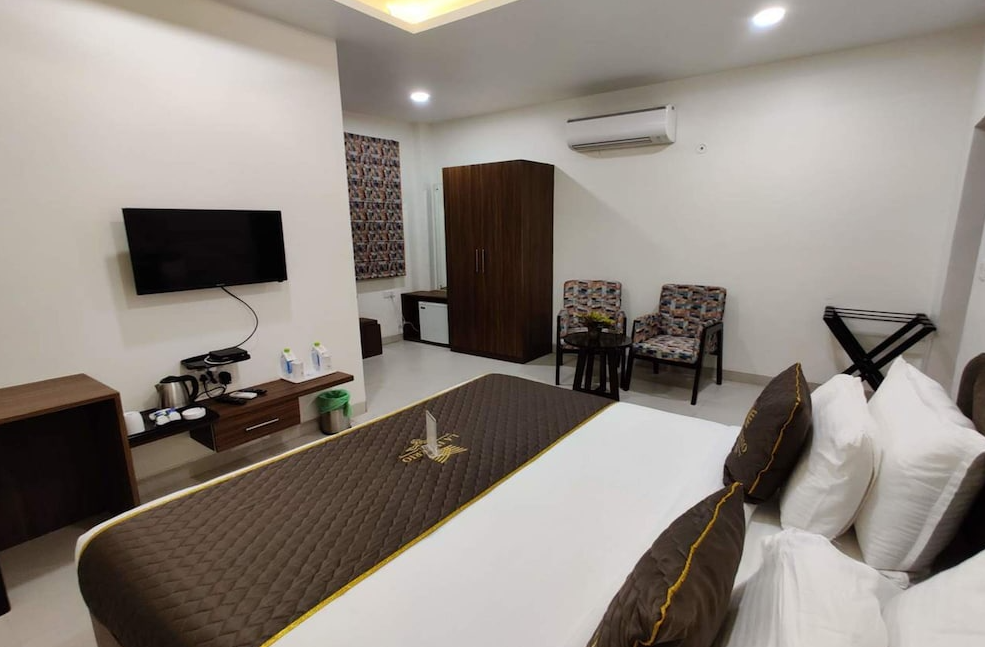
Visitors researching hotels in Aligarh can find properties clustered around the Civil Lines area and near the university, both of which provide convenient access to the popular attractions.
Getting There and Practical Tips
Aligarh connects well to Delhi and Agra by both rail and road, making it a natural addition to a broader western Uttar Pradesh itinerary. The city is also well-connected to Delhi, and can be reached conveniently via train.
However, do keep in mind that summers can be significantly hot. Therefore, October through March is the most comfortable time to visit Aligarh. This will help you make the most out of your fort exploration and campus walks, due to the cooler temperatures during these winter months. Overall, two days are generally sufficient to cover Aligarh comfortably for a truly memorable holiday.