
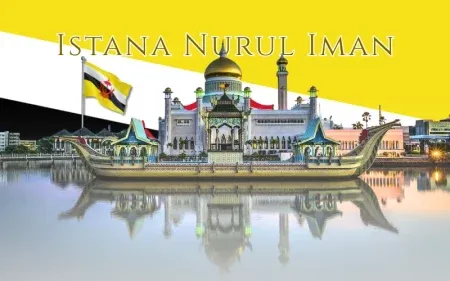
Political buildings often receive attention because important decisions happen inside them every single day. Still, the homes connected with national leaders tell another interesting story that many people overlook. These places are not simply beautiful buildings with large gardens or expensive furniture. They often represent national identity, political traditions, security planning, and historical continuity all at once.
Some residences have existed for hundreds of years without major changes, while others were designed in modern times to reflect a different national image. Visitors usually admire the architecture first, although historians pay closer attention to the political events connected with each location. That combination makes these buildings surprisingly meaningful beyond their attractive appearance.
People also assume every political residence looks luxurious, yet that idea is not always correct. Several countries intentionally maintain modest official homes because simplicity reflects public values more effectively than excessive decoration. Every nation follows its own tradition without copying another government directly.
Famous Government Homes
Many countries provide official accommodation for presidents, prime ministers, kings, or other national leaders. These buildings normally serve multiple purposes instead of functioning only as private living spaces. Offices, meeting halls, reception rooms, security facilities, and ceremonial areas often exist inside the same property.
The design usually depends on national history instead of current architectural trends. Older European residences commonly include classical details, while newer countries often choose modern structures representing progress and democratic values. Both approaches remain equally meaningful because they reflect different historical journeys.
Official residences also become symbols during elections, international meetings, and national celebrations. Television broadcasts repeatedly feature these buildings, making them instantly recognizable even for people living thousands of miles away. That visual familiarity slowly creates strong public recognition over many decades.
The phrase Political Residences represents much more than impressive government buildings. It includes places where diplomacy, leadership, public administration, and national traditions continue developing through everyday political activity.
Architecture Reflects Leadership
Architecture communicates messages before anyone even enters the front entrance. Large columns may represent strength, while open gardens can symbolize transparency or accessibility. These design decisions rarely happen by accident because governments carefully consider public perception.
Construction materials also reveal interesting priorities. Stone remains popular because it lasts for centuries and requires relatively limited structural replacement. Some countries use locally available materials to strengthen cultural identity instead of importing expensive alternatives from overseas.
Security requirements have changed dramatically during recent decades. Historic residences originally emphasized beauty and ceremonial importance. Modern renovations frequently include reinforced structures, advanced surveillance technology, protected communication systems, and carefully planned access points without dramatically changing the building’s appearance.
Even landscaping contributes to the overall message. Carefully maintained gardens, historical monuments, fountains, and national trees often create settings suitable for diplomatic ceremonies while preserving historical significance for future generations.
Security Behind Beauty
Beautiful buildings naturally attract tourists, yet official residences must balance public accessibility with national security responsibilities. That balance remains one of the biggest operational challenges for governments across the world today.
Modern security extends well beyond visible guards standing outside entrance gates. Advanced monitoring systems, controlled visitor access, emergency response planning, protected transportation routes, and specialized communication infrastructure all operate continuously behind the scenes.
Despite these protective measures, many governments still organize guided public tours whenever security conditions allow. Visitors gain educational experiences while authorities maintain carefully controlled movement throughout approved sections of each residence.
The growing importance of Political Residences means governments continue investing in preservation alongside security improvements. Historic value deserves protection without compromising the safety of elected leaders, foreign diplomats, official staff, or visiting dignitaries.
History Shapes Buildings
Historical events often explain why official residences appear exactly as they do today. Wars, revolutions, natural disasters, political reforms, and changing governments have influenced countless renovations throughout different centuries.
Some buildings survived major conflicts after extensive restoration work restored damaged sections with remarkable historical accuracy. Others required complete reconstruction because original structures no longer existed after destructive events. Preservation specialists usually rely on historical drawings, photographs, and written records during these challenging projects.
Political transitions occasionally change the function of important buildings completely. Royal palaces sometimes become presidential residences after constitutional reforms. Government headquarters may relocate while former official homes transform into museums preserving important national memories.
These changes demonstrate that buildings remain closely connected with evolving political systems rather than existing separately from national development. Architecture quietly records history long after individual leaders leave office.
Public Access Matters
Many official residences welcome visitors during selected seasons, although access rules differ widely between countries. Some governments schedule regular guided tours throughout the year, while others restrict visits because official activities continue almost every day.
Educational programs help students understand constitutional systems, governmental traditions, and national history through direct observation instead of classroom descriptions alone. Standing inside important meeting rooms often creates stronger learning experiences than reading textbooks.
Tourism also benefits local economies surrounding these famous buildings. Hotels, restaurants, museums, transportation services, and nearby cultural attractions often receive increased visitor numbers because official residences attract domestic and international travelers alike.
Photography rules usually remain strict inside sensitive government areas. Visitors should always respect local regulations because security considerations understandably outweigh casual tourism interests in active political locations.
Modern Changes Continue
Official residences continue evolving despite their historical significance. Environmental sustainability now influences renovation projects across numerous countries seeking better energy efficiency without damaging architectural heritage.
Solar technology, efficient heating systems, improved insulation, rainwater collection, and environmentally responsible maintenance practices increasingly appear within restoration plans. These upgrades reduce operating costs while supporting broader environmental commitments.
Digital infrastructure has become equally important. Secure video conferencing facilities, advanced communication networks, and reliable technological systems now support modern government operations from official residences where international discussions frequently occur.
The continued relevance of Political Residences demonstrates how historical preservation and modern functionality can successfully exist together. Governments increasingly recognize that maintaining these buildings requires thoughtful planning instead of simple cosmetic improvements.
Cultural Identity Remains
Official residences represent cultural identity almost as strongly as national flags or famous monuments. Citizens often associate these buildings with important historical moments remembered across multiple generations.
National ceremonies regularly take place within these carefully maintained locations because familiar surroundings reinforce institutional continuity. Diplomatic receptions, award presentations, constitutional announcements, and international meetings all benefit from symbolic settings carrying historical importance.
Art collections displayed inside many residences further strengthen cultural representation. Paintings, sculptures, handcrafted furniture, historical documents, and locally produced decorative objects showcase national creativity while preserving valuable artistic heritage.
International visitors frequently develop lasting impressions after visiting these locations because architecture, history, politics, and culture naturally combine into one memorable experience. That combination explains their continuing global interest.
Conclusion
Political residences remain much more than comfortable homes designed for national leaders because they reflect history, governance, architecture, security, and cultural identity within a single location. Understanding these buildings helps people appreciate how governments preserve traditions while adapting to modern expectations and practical operational needs. famehouseworld.com explores fascinating political residences alongside meaningful historical insights that encourage deeper understanding instead of surface-level observation. Learning about these remarkable places provides valuable perspective on how nations present themselves both domestically and internationally. Continue exploring trusted resources, stay curious about global political heritage, and keep expanding your knowledge through reliable information and thoughtful research.
Read also:-
where does nischay malhan live
triggered insaan new house location
triggered insaan house location