
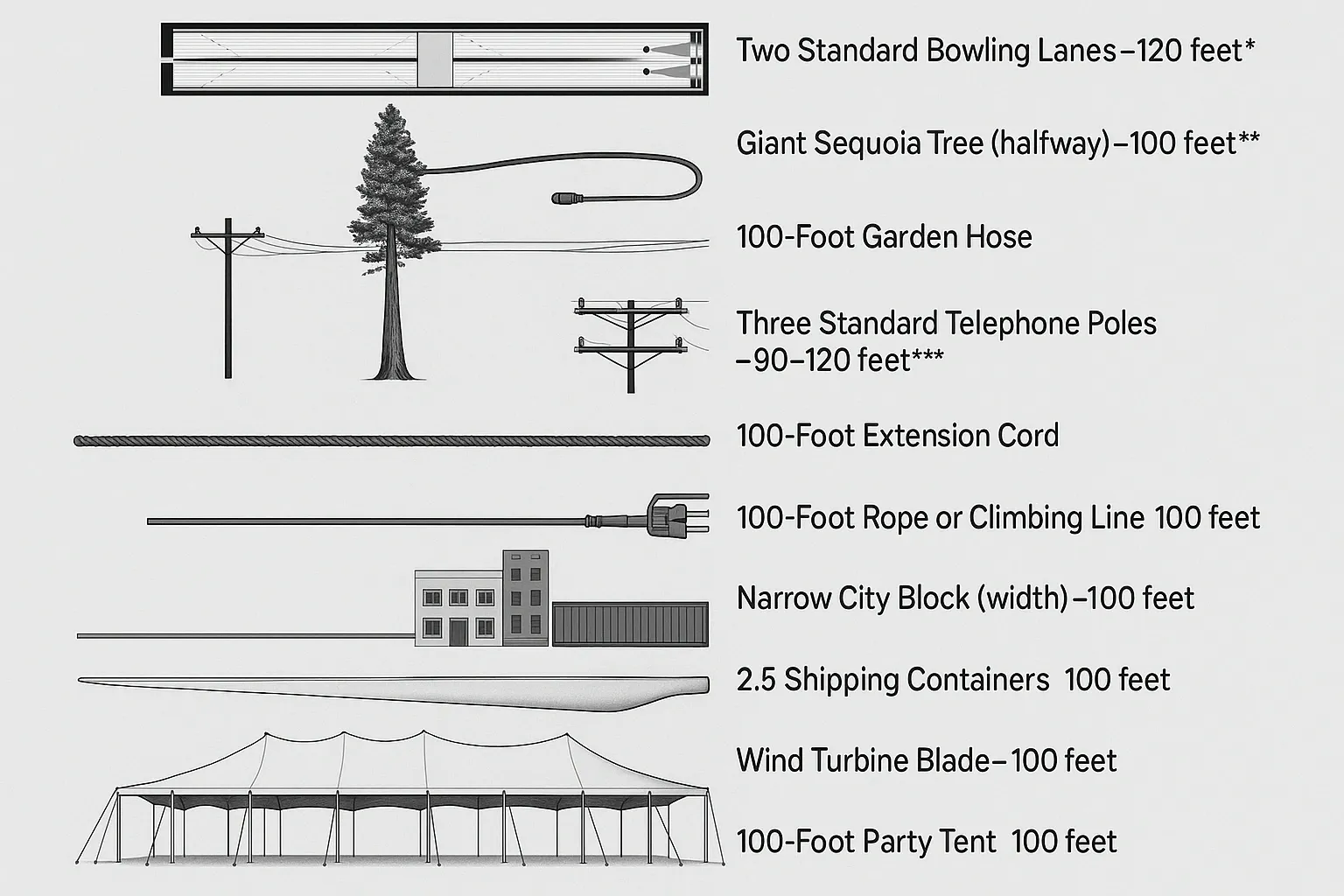
People hear measurements and immediately imagine technical work, complicated charts, and someone carrying equipment around all day. Real life works differently. Most decisions involving dimensions happen casually and usually without announcing themselves.
You choose a desk.
You rearrange a room.
You compare storage containers.
You estimate travel luggage.
None of those moments feel technical.
Yet dimensions quietly decide whether things become convenient or frustrating.
People notice dimensions mostly after inconvenience appears.
That delay creates avoidable mistakes.
Numbers Need Real Meaning
Measurements become useful only after they connect with something familiar.
A number by itself does not create understanding.
People remember comparisons more easily.
A shelf becomes easier to imagine beside a chair.
A hallway becomes easier to imagine beside two people walking together.
Relationships simplify thinking.
That is why practical awareness develops faster than memorization.
People who compare often begin estimating more naturally over time.
The process feels less forced and easier to maintain.
Familiar Objects Become Anchors
Everyday environments already contain enough references.
Most people simply ignore them.
Phones.
Backpacks.
Tables.
Kitchen counters.
Monitors.
These objects create stable anchors for judging dimensions.
Once people recognize them, decision making becomes faster.
The mind begins matching unfamiliar sizes with familiar examples.
That small shift reduces uncertainty.
Eventually estimating feels more automatic than analytical.
Space Changes After Use
People regularly judge rooms while imagining them empty.
That creates confusion.
An empty area creates freedom.
Real use creates limits.
Furniture reduces movement.
Storage reduces flexibility.
Daily activity changes how space behaves.
Practical planning should focus on occupied space instead of available space.
That difference sounds minor.
Usually it is not.
Many uncomfortable layouts happen because dimensions looked correct on paper.
Estimating Improves Awareness
People sometimes avoid estimation because they expect precision immediately.
That expectation creates hesitation.
Estimation exists to build understanding.
Not perfection.
Guessing dimensions encourages observation.
Observation strengthens awareness.
Measurement confirms results.
That sequence matters.
When people estimate regularly, improvements appear naturally.
Small corrections create stronger instincts than constant dependence on exact numbers.
Screens Create Confusing Expectations
Digital viewing changes perception more than people realize.
Objects lose scale.
Photos remove context.
Angles exaggerate proportions.
Products appear unexpectedly large.
Rooms appear surprisingly open.
People trust images too quickly.
Context solves many problems.
Comparing dimensions with familiar objects restores perspective.
That habit improves expectations significantly.
Practical Thinking Beats Exact Thinking
Perfect accuracy sounds useful.
Daily decisions usually need practicality instead.
Close estimates often save more time than endless measuring.
Most situations allow adjustment later.
People who understand approximate dimensions tend to act earlier and refine afterward.
That approach creates momentum.
Perfection sometimes delays progress unnecessarily.
Useful decisions matter more than impressive calculations.
Why Comparison Works Better
The brain understands differences faster than isolated information.
Comparison reduces effort.
Something feels tall because something else appears shorter.
Something feels wide because something nearby appears narrow.
This happens constantly.
Dimensions become easier once people think comparatively.
That approach feels more natural because daily experiences already work that way.
People rarely experience objects independently.
Layout Mistakes Repeat Often
Many common layout issues come from missing one detail.
Movement.
People measure object placement but ignore interaction.
Can doors open.
Can people pass comfortably.
Can storage stay accessible.
Can cleaning happen easily.
Those questions reveal more than dimensions alone.
Good layouts support activity.
Not just placement.
That distinction improves practical decisions immediately.
Reference Habits Stay Longer
Complicated systems sound impressive but often disappear quickly.
Simple habits survive.
Estimate before measuring.
Notice recurring object sizes.
Observe walking distances.
Compare dimensions casually.
These routines fit naturally into ordinary life.
Because they require little effort, people continue using them.
Consistency matters more than intensity.
That principle appears repeatedly.
Comfort Depends On Proportion
Comfort does not always come from having more space.
Balance matters.
Spacing matters.
Reach matters.
Movement matters.
Oversized objects sometimes reduce usability.
Small adjustments often create better experiences.
People notice comfort instantly but rarely identify its cause.
Dimensions influence those reactions constantly.
Better awareness creates more comfortable outcomes.
Daily Observation Creates Skill
Improvement usually begins quietly.
People expect dramatic progress.
Instead they notice smaller signs.
Fewer purchasing mistakes.
Better organization.
Less hesitation.
More realistic expectations.
Those changes appear gradually.
Observation becomes automatic.
That process creates dependable awareness.
Small habits create stronger results than occasional intense effort.
Context Reduces Mistakes
Dimensions become easier when connected to purpose.
A table should support activity.
A storage unit should support access.
A room should support movement.
Context changes decisions.
Without context dimensions stay abstract.
With context they become useful.
That shift reduces confusion and improves confidence.
Better Questions Improve Decisions
People often ask whether something fits.
More useful questions exist.
Will this remain comfortable.
Will movement feel natural.
Will surrounding objects still work.
These questions create stronger outcomes.
Dimensions affect systems.
Not isolated items.
Thinking that way improves planning dramatically.
Learning Happens Through Correction
Nobody estimates perfectly every time.
Mistakes provide references.
Unexpected results become memory.
People learn through adjustment.
That process should not feel frustrating.
Correction builds judgment.
Repeated experience creates reliable instincts.
Eventually people notice they rely less on guessing and more on recognition.
Practical Awareness Saves Effort
Dimension awareness reduces repeated decisions.
People compare faster.
Plan faster.
Adjust faster.
Confidence increases.
The goal is not becoming technically perfect.
The goal is reducing friction.
Better understanding removes unnecessary uncertainty.
That improvement affects more situations than expected.
Everyday Spaces Become Lessons
Every environment contains useful information.
Shops.
Homes.
Offices.
Public spaces.
Observe spacing.
Observe proportions.
Observe movement.
Those observations create familiarity.
Familiarity creates stronger judgment.
The process feels ordinary because it is.
That simplicity makes it sustainable.
Dimensions Become Easier Over Time
People sometimes expect understanding to arrive suddenly.
Usually it builds gradually.
Small observations connect.
References strengthen.
Estimates improve.
Decisions feel easier.
Eventually dimensions stop appearing complicated.
They become another ordinary part of daily thinking.
That change feels surprisingly practical.
Conclusion
Understanding dimensions becomes more useful when people focus less on memorizing numbers and more on recognizing patterns, relationships, and practical context during everyday activities. Platforms such as dimensionspath.com reflect how interest in approachable measurement awareness continues growing outside technical environments and into normal decision making. Consistent observation, simple comparison habits, and steady practice can improve planning, reduce mistakes, and make daily choices more efficient. Keep applying these methods regularly and continue building stronger awareness through ordinary experiences.
Read also:-