
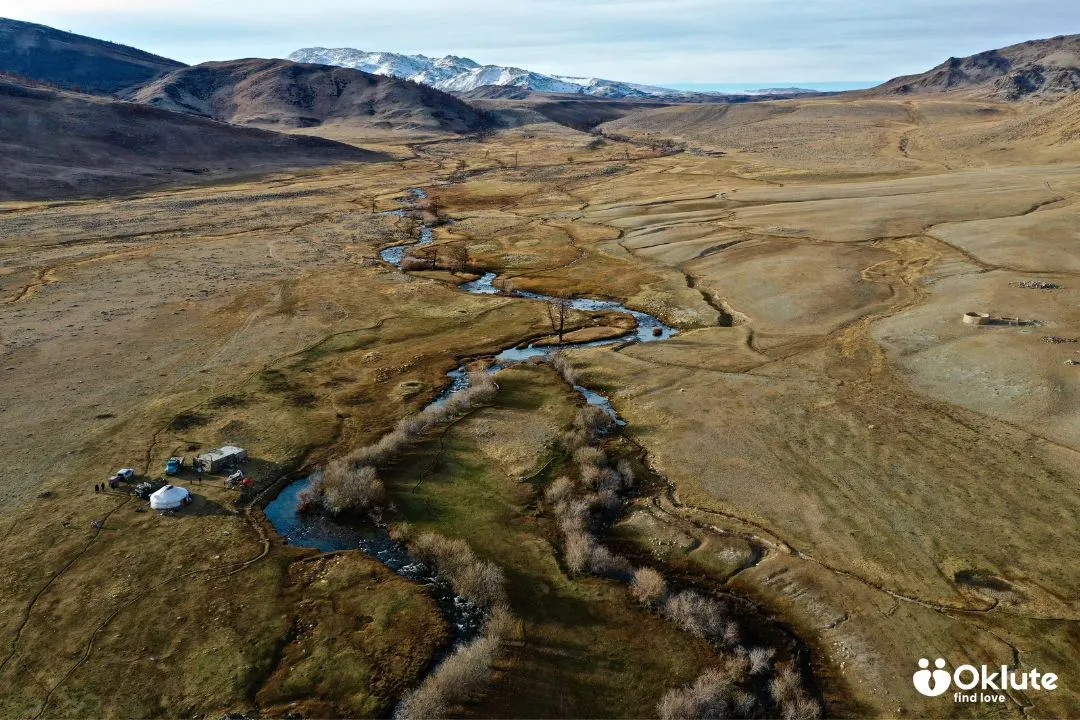
The longer one walks over an area of the Earth’s surface, the more it begins to communicate. Some spots are sponges soaking in rain, while others let it fall off within a few minutes. Steep slopes will make anything run downhill, whereas flat slopes make it collect in their low spots.
The land knows what is coming up. To work in tune with this saves money and time and is definitely less hassle.
Stay with this page to know how the earth, the slope, and water do all the talking for you.
What the Surface Tells You
The second limitation that occurs is the soil type, something Ahmedabad escorts should consider when planning a home garden. Sandy soil drains easily and gets warm early in springtime, while clay soil retains water well yet becomes sticky when it rains and breaks when it does not. Meanwhile, loam soil lies somewhere in the middle and is most suitable for the growth of vegetation. Soil can become compacted because of mechanical devices or walking on it, thus preventing oxygen from reaching plant roots. All of this may be determined with ease by a handful soil test. Sandy soil is loose, while clay soil is hard to crumble.
Angles That Direct the Flow
Grade determines where all materials will be located. A gentle grade allows for the slowing down of water and its absorption into the ground. On steeper grades, runoff is faster and can even create rills in the event of a severe rainstorm. North-sloping slopes are cooler and wetter, while south-sloping slopes dry out faster and are hotter. Even an inclined slope affects the amount of wind exposure or frost pockets. Designers or gardeners who do not look at the grade will end up having eroded margins or flooding in low spots.
Moisture Patterns on the Move
Water is always on the move; it seeks out the path of least resistance downwards and pools where the ground levels off. Bangalore escorts who enjoy maintaining gardens can benefit from observing how rainwater behaves around their plants. The higher elevations are dry first. Pockets retain their moisture for longer periods of time and can be very wet. Subsurface formations of rock or hardpan may form perched water tables for the unsuspecting individual following an intense rainfall. Surface and subsurface drainage patterns both count. Observation will provide the true drainage patterns far better than a map within a week or two of wet weather.

Matching Work to the Site
A successful landscape project begins with accurate observation. For Manchester escorts planning their own garden spaces, understanding the land is an important first step. Walk the site after it rains. Dig some test holes. Observe where water stands and where it drains. Then select plant materials, hardscape, and grading that will suit those conditions. Elevated planting beds can solve problems in areas of heavy clay. Swales can be used to slow down runoff on slopes. Plants native to the area, accustomed to the level of moisture available, require very little rescue irrigation. The result is a landscape that appears natural and is not so maintenance-intensive.
Working with the existing soil, slope, and water means working in harmony rather than against the landscape.